Understanding Writing for the Web:
Key Concepts Explained
 Writing for the web is a whole different game from print. Most people only read about 20 percent of the words on any webpage. Surprising, right? It means your message only lands if you know exactly how to grab attention in a split second and keep readers clicking until the very end.
Table of Contents
- What Is Writing For The Web And Why Does It Matter?
- How Audience And Purpose Influence Web Writing
- Key Elements Of Effective Web Content
- The Role Of SEO In Web Writing
- Understanding User Experience And Readability
Quick Summary
| Takeaway | Explanation |
|---|---|
| Prioritize readability and engagement | Web writing should be concise and structured for easy scanning, enhancing user engagement and search performance. |
| Understand audience dynamics | Tailor content based on audience characteristics and preferences, adjusting tone and complexity accordingly. |
| Focus on strategic purpose | Ensure each piece of content aligns with a clear objective, whether to inform, persuade, or convert readers. |
| Optimize for SEO and user experience | Combine quality writing with SEO practices to improve visibility and deliver value to both readers and search engines. |
| Design for digital readability | Implement clear paragraphs and subheadings to enhance comprehension, anticipating reader needs while reducing cognitive load. |
What is Writing for the Web and Why Does It Matter?
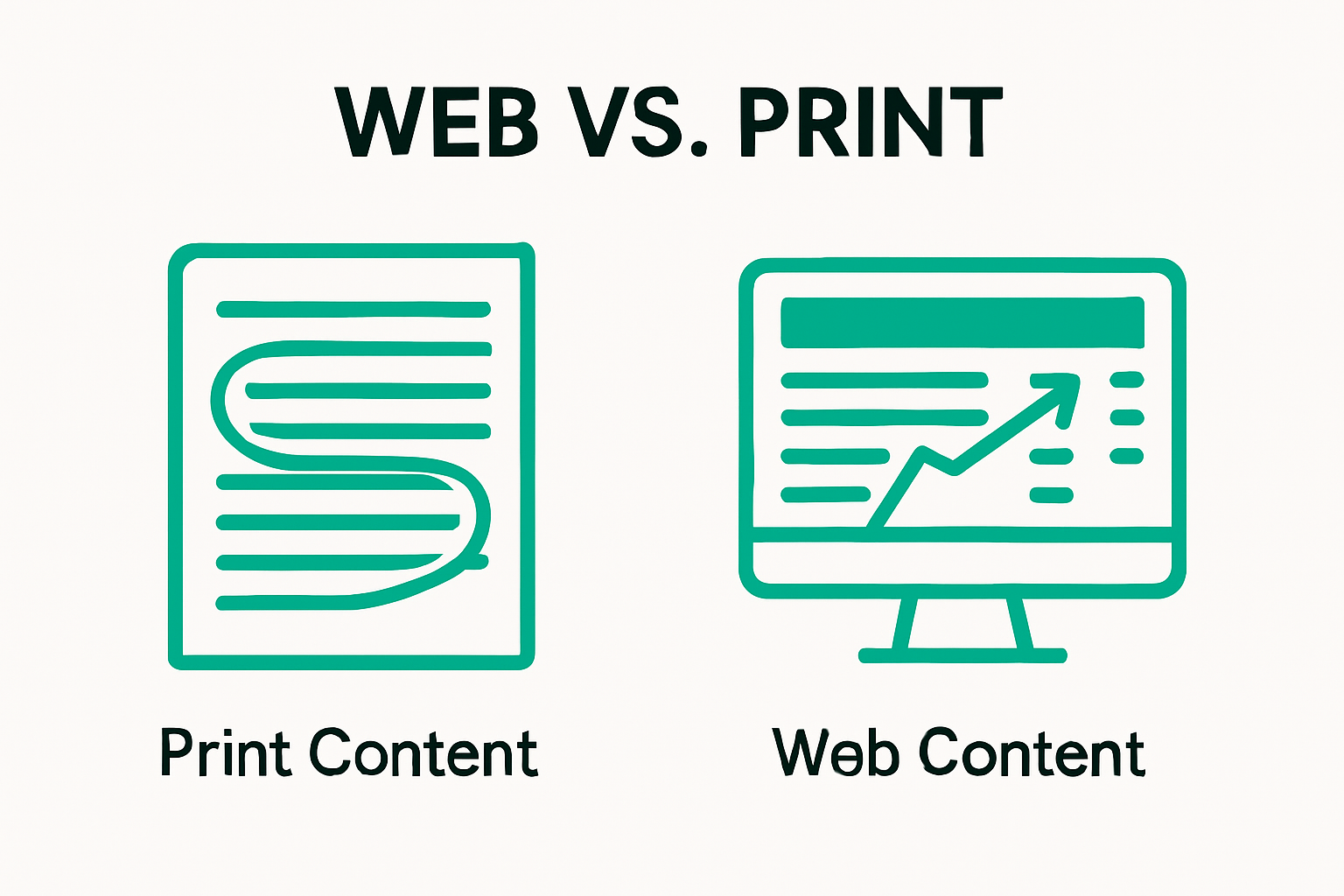
Writing for the web represents a specialized communication approach designed specifically for digital audiences. Unlike traditional writing formats, web content demands a unique strategy that prioritizes readability, user engagement, and rapid information consumption.
The following table compares key characteristics of web writing versus traditional print writing to highlight the unique demands of digital content creation.
| Characteristic | Web Writing | Traditional Print Writing |
|---|---|---|
| Reading Behavior | Readers scan quickly, seeking key info | Readers often read linearly |
| Content Length | Concise, direct, short paragraphs | Allows for longer, in-depth narrative |
| Use of Headings | Frequent, descriptive subheadings | Fewer, broader section headings |
| Visual Structure | Visually structured for easy navigation | Text-driven, less emphasis on layout |
| Keyword Emphasis | Rich in strategic keywords | Less focus on keyword usage |
| User Engagement | Designed for quick interaction and action | Focus on immersive consumption |
| Adaptability | Must be optimized for multiple devices | Fixed format, single medium |
Understanding Web Writing Fundamentals
Web writing distinguishes itself through several critical characteristics. According to research from the University of Minnesota, online readers behave differently compared to traditional print readers. They typically scan content quickly, seeking specific information rather than reading word for word. This behavioral pattern demands content that is:
- Concise and direct
- Visually structured with clear headings
- Rich in meaningful keywords
- Easily digestible in short paragraphs
Strategic Communication for Digital Audiences
Successful web writing transforms complex information into accessible, engaging content. It requires understanding user psychology and digital consumption patterns. Writers must anticipate reader needs, presenting information in a way that answers questions rapidly and maintains reader interest.
The core objective of writing for the web goes beyond mere information transmission. It involves creating content that not only informs but also converts readers into engaged participants. This means developing text that is search engine friendly, user centric, and designed to solve specific problems or answer precise questions.
Effective web writing blends technical skill with creative communication, ensuring that every piece of content serves both user experience and strategic business objectives. By mastering this approach, businesses can transform their online communication from passive text to powerful, actionable digital experiences.
How Audience and Purpose Influence Web Writing
Web writing transcends traditional content creation by placing audience understanding and strategic purpose at its core. Every piece of digital content must be carefully crafted to address specific reader needs while simultaneously achieving precise communication objectives. Learn more about strategic content development.
Understanding Audience Dynamics
According to Kent State University’s Writing Commons, comprehending audience characteristics is fundamental to effective web writing. Different digital audiences require tailored communication approaches. These variations might include:
- Professional versus casual tone
- Technical depth versus simplified explanations
- Formal academic language versus conversational style
- Industry specific terminology versus general vocabulary
Strategic Purpose and Content Alignment
Successful web writing demands a clear understanding of the content’s primary purpose. Whether the goal is to educate, persuade, entertain, or convert, every paragraph must align with this objective. Purposeful content creates direct pathways for reader engagement, transforming passive reading into active participation.
The intersection of audience understanding and strategic purpose creates powerful web content. Writers must anticipate reader questions, address potential knowledge gaps, and structure information in a manner that feels intuitive and valuable. By focusing on these critical elements, digital communication becomes more than text on a screen transforming into a targeted, meaningful interaction designed to meet specific user needs and organizational goals.
Key Elements of Effective Web Content
Effective web content requires strategic planning and precise execution. Content quality determines user engagement, search engine performance, and overall digital communication success. Explore advanced content strategies.
Structural Foundations of Compelling Content
According to Appalachian State University’s web guidelines, creating impactful web content involves several critical structural elements. Web writing must prioritize readability and user experience through:
This table outlines the key elements of effective web content and provides a brief explanation of the role each element plays in digital communication.
| Key Element | Purpose/Role |
|---|---|
| Clear Headings | Guides readers and highlights main topics |
| Concise Paragraphs | Increases readability and reduces cognitive overload |
| Short Sentences | Facilitates quick comprehension |
| Strategic Keyword Use | Enhances SEO and ensures alignment with user search intent |
| Logical Content Flow | Creates a smooth, intuitive reading experience |
| Descriptive Subheadings | Breaks up text and improves skimmability |
| White Space Utilization | Relieves visual clutter and supports content hierarchy |
- Clear and descriptive headings
- Short, focused paragraphs
- Concise sentences
- Strategic use of white space
- Logical content flow
Optimizing Content for Digital Consumption
Web content demands a unique approach that balances informative depth with rapid comprehension. Successful digital writing transforms complex information into accessible, digestible chunks. This means creating content that serves multiple purposes simultaneously: informing readers, answering specific questions, and guiding users toward desired actions.
The most effective web content goes beyond simple information transmission. It anticipates user needs, addresses potential questions preemptively, and provides value through clear, actionable insights. By understanding digital reading behaviors and crafting content that respects users attention span, writers can create powerful online communication that resonates with target audiences and achieves strategic objectives.
The Role of SEO in Web Writing
Search engine optimization represents a fundamental strategy in modern digital communication, transforming how content is created and consumed online. SEO bridges the gap between quality writing and digital visibility, enabling content to reach its intended audience effectively. Discover advanced SEO writing techniques.
Understanding SEO Content Fundamentals
According to the U.S. Department of Energy’s digital guidelines, SEO writing involves strategic content development that simultaneously serves two critical audiences: human readers and search engine algorithms. Effective SEO content incorporates:
- Relevant and natural keyword integration
- Clear, descriptive headings
- Meaningful internal and external links
- Comprehensive topic coverage
- User focused information architecture
Strategic Content Optimization Approach
Successful SEO writing goes beyond simple keyword placement. It requires a nuanced understanding of how search engines evaluate and rank content. The most effective web writing creates genuine value for readers while strategically signaling content relevance to search algorithms. This means producing in depth, authoritative content that answers user questions comprehensively and demonstrates topical expertise.
By aligning content creation with search engine best practices, writers can develop material that not only informs and engages readers but also increases digital visibility and organic search performance. The ultimate goal of SEO writing is creating a seamless experience that serves both user intent and technical search requirements.
Understanding User Experience and Readability
User experience and readability are foundational elements that transform digital content from mere text into meaningful communication. These interconnected concepts determine how effectively users consume, understand, and engage with online information. Learn more about crafting engaging digital experiences.
Core Principles of Digital Readability
Readability extends beyond simple word choice and sentence structure. According to research from the Nielsen Norman Group, users typically read approximately 20% of text on any given web page. This means content must be strategically designed to capture and maintain reader attention. Effective digital readability involves:
- Creating clear, concise paragraphs
- Using meaningful subheadings
- Implementing visual hierarchies
- Breaking complex information into digestible segments
- Maintaining consistent text formatting
Designing for User Experience
Exceptional user experience emerges from understanding and anticipating reader needs. Web content must function as an intuitive pathway, guiding users seamlessly through information while minimizing cognitive load. This requires a holistic approach that considers visual design, information architecture, and content clarity.
Successful digital communication transcends simple information transmission. It creates an immersive experience where users feel understood, supported, and empowered. By prioritizing readability and user experience, writers can develop content that not only informs but also connects deeply with their audience, transforming passive reading into active engagement.

Turn Insightful Web Writing Into Real Business Growth
Are you struggling to make your website content truly connect with visitors? Many businesses find it hard to shift from traditional writing to digital-first strategies. The article explains why effective web writing demands clear structure, readable language, and an understanding of both audience needs and search engine requirements. Without this focus, your site can feel invisible and leave users uninterested.

Finepoint Design specializes in transforming your web presence into a powerful business tool. Our team applies proven techniques in website development and SEO content creation that align with the key concepts discussed in the article. Ready to see your content work for you and deliver real results? Visit Finepoint Design to discover how our tailored solutions address your unique digital challenges. Take action now to improve engagement, search rankings, and your overall ROI.
Frequently Asked Questions
What is writing for the web?
Writing for the web is a specialized form of communication tailored for digital audiences, focusing on readability, user engagement, and quick information consumption.
Why is understanding audience dynamics important in web writing?
Comprehending audience dynamics is crucial because different reader groups require tailored communication approaches that match their needs, preferences, and levels of understanding.
How does SEO impact web writing?
SEO impacts web writing by ensuring that content is optimized for search engines, helping it become more visible and accessible to users while also providing valuable information that aligns with their search intent.
What are key elements of effective web content?
Key elements of effective web content include clear headings, concise paragraphs, strategic keyword integration, and logical content flow, all of which enhance readability and user experience.